How a Good Car Fog Light Can Save Your Night Drive
I remember my first drive through a Colorado mountain fog. The road vanished, and my high beams only made things worse. That's when I realized a proper car fog light isn't a luxury—it's a tool. Whether you're commuting or chasing the sunrise on a mountain pass, a quality fog light cuts through low visibility and gives you back the road. Here's what I've learned from years of driving in the Rockies.
Why Fog Lights Matter More Than You Think
Most drivers underestimate how quickly visibility falls apart in fog, heavy rain, or snow. Standard headlights reflect off the water droplets, creating a wall of white that blinds you. A dedicated car fog light sits lower on the vehicle and casts a wide, flat beam that illuminates the road surface without bouncing back into your eyes. I've tested this on I-70 near Vail, where a sudden cloud bank can drop visibility to a few car lengths. With decent fog lights, I could see the lane lines and the edge of the pavement without straining. The difference isn't subtle—it's the difference between creeping along at 20 mph and holding a steady 45 mph.
Over the years, I've installed fog lights on my Outback and helped a friend wire a set onto his Tacoma. In both cases, the change in night-driving confidence was immediate. If you regularly drive after dark, especially in rural or mountainous areas, a car fog light should be near the top of your upgrade list.
How to Choose the Right Car Fog Light
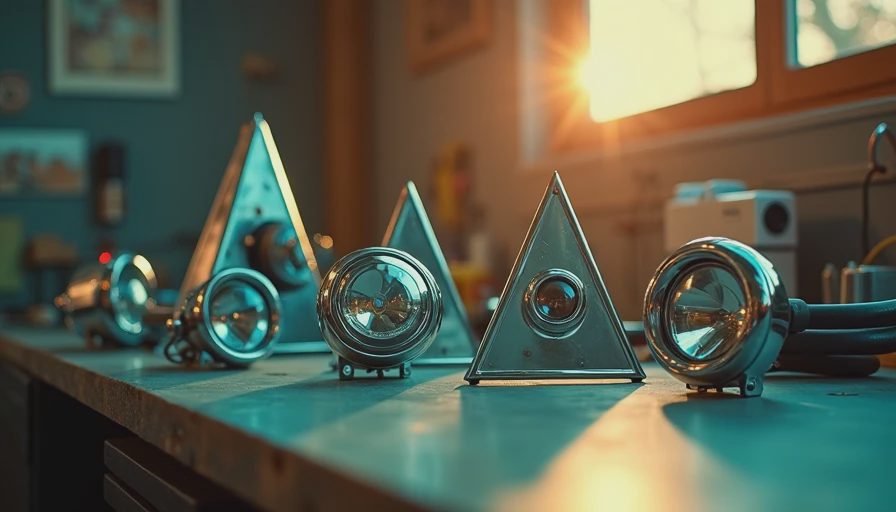
Not all fog lights are built the same. When I started shopping, I looked at options from Hella, PIAA, and Philips. The key specs to watch are beam pattern, color temperature, and brightness. Look for a wide, flat beam with a sharp cutoff—that upper line prevents light from bouncing off fog and back into the cab. Color temperature matters too: 3000K to 4300K (yellowish or warm white) cuts through fog better than the blue-white light you see on many modern cars. The reason is physics: shorter wavelengths scatter more. So while a 6000K bulb looks cool in the driveway, it's less effective when the mist rolls in.
Mounting location is also part of the choice. A typical car fog light installs in the front bumper or grille, low to the ground. Some vehicles come with factory holes, others require brackets. If you're not sure where to start, check your car's forum or a site like Crutchfield for fitment guides. I've also found that LED fog lights last longer and draw less power than halogen ones, though they can be pricier upfront.
Installing a Car Fog Light: What to Expect
If you're handy with a basic tool set, adding a car fog light is a weekend job. Most aftermarket kits include the lights, wiring harness, switch, and relay. The hardest part is running the wires through the firewall to the cabin. I did mine by finding a rubber grommet near the steering column and poking a hole through it. Then connect the relay to the battery and the switch inside. Always use a fuse—fog lights draw enough current to start a fire if the wiring shorts.
I've installed kits on two cars now, and each time the manual was decent but not perfect. YouTube videos from The Drive or ChrisFix are worth a watch before you start. Plan for four to six hours if it's your first time. And if you're not comfortable with electrical work, a shop will do it for around $100 to $150 in labor.
Using Fog Lights Properly on the Road
Once you have a car fog light installed, don't be that driver who runs them on every clear night. Fog lights are designed for low-visibility conditions—fog, heavy rain, blowing snow, or dust. Using them in clear weather can blind oncoming drivers and is illegal in many states. I've seen Colorado State Patrol pull people over for unnecessary fog lights, so save them for when the weather warrants it.
Another common mistake is treating fog lights like headlights. They are not meant to illuminate far ahead; they light up the road directly in front and the shoulders. In deep fog, I switch to just the fog lights (with parking lights) because high beams actually make things worse. The rule of thumb: if you can see more than 300 feet ahead, fog lights probably aren't needed.
Common Myths About Car Fog Lights
One myth is that yellow lights are always better. While yellow cuts fog slightly better than white, the difference is small. A well-designed white LED car fog light with a proper beam pattern performs just as well. Another myth is that you need extra-large lights. I've seen guys bolt massive off-road pods on their bumpers, calling them fog lights. Those are usually floodlights, not designed for fog—they throw light everywhere and blind everyone. Stick to lights designed specifically for fog duty.
Final Thought
A good car fog light is one of those upgrades you don't appreciate until you really need it. And when that storm rolls in and the road disappears, having a couple of reliable fog lights aimed at the road surface can turn a white-knuckle drive into a manageable one. I keep my lights clean and check the aim every season, because on a foggy night, those low beams are the best thing between you and the ditch.
Whether you're planning a winter road trip or just want to feel safer on dark commutes, investing in a quality car fog light set is worth the time and money. Some roads are worth slowing down for—but you still need to see where you're going.


Letters
No letters yet — be the first to write.