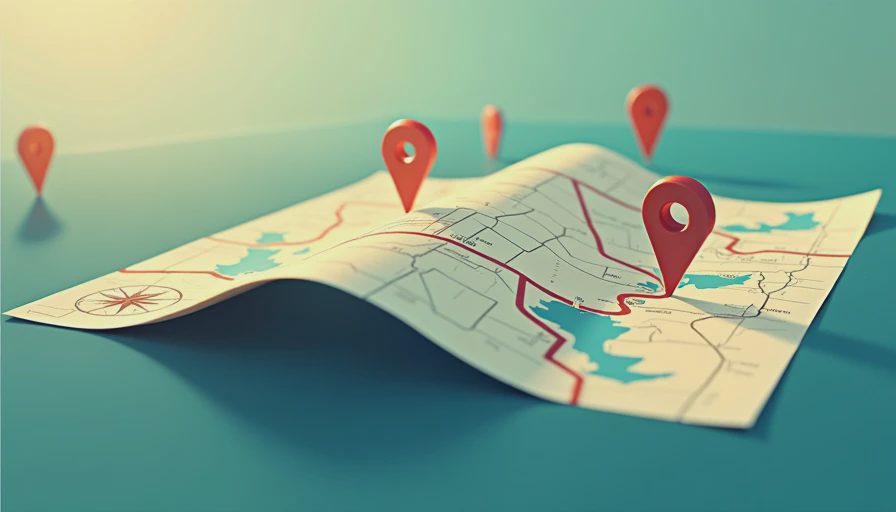
A road trip with stops is what separates a good drive from a great one. I’ve spent years driving Colorado’s mountain passes and Utah’s red rock country, and I’ve learned that the best trips aren’t measured in miles but in the moments you pull over. Whether you’re heading cross-country or just trying to make a long weekend feel longer, the stops you choose can make or break the experience.
Some roads are worth slowing down for. The key is knowing where to slow down. A road trip with stops requires a little planning—but not so much that you lose the spontaneity. Let’s talk about how to build a route that balances driving time with places that actually reward the detour.
Why Stops Matter More Than You Think
It’s easy to fall into the trap of trying to cover as much ground as possible. I’ve done it: eight hours of interstate, only stopping for gas and fast food. By the end, my back ached, my mind was foggy, and I barely remembered the landscape. A road trip with stops gives you a chance to reset. Your car gets a break, your legs get a stretch, and your brain gets a new scene. That’s not just comfort—it’s safety, too. Fatigue is a real risk on long drives, and planned stops are the best antidote.
Think of your stops as anchors. They break the drive into manageable chunks and give you something to look forward to. A well-placed rest area, a viewpoint you read about, a diner that locals recommend—these become the memories you take home. The road itself is the thread, but the stops are the beads.
Choosing the Right Kind of Stops
Not all stops are created equal. A gas station restroom might get you through, but it won’t refresh you. Aim for variety. Here are my go-to categories:
- **Scenic pull-offs:** Look for overlooks, historic markers, and designated viewpoints. These are quick (10–15 minutes) and give you a mental breather.
- **Small towns:** A 30-minute detour into a Main Street with a coffee shop or a used bookstore can change the whole mood of a trip.
- **State or national parks:** Even a short drive through a park entrance can offer a different pace. Many have picnic areas or short trails.
- **Local eateries:** Skip the chain restaurants. A diner or a taco truck tells you more about a place than any highway sign.
I tend to plan one major stop per 3–4 hours of driving, and two or three minor ones. That rhythm keeps me alert and curious.
How to Build a Route with Good Stops
A road trip with stops works best when you have a rough skeleton. Start with your destination, then look for interesting points along the way. I use a mix of Google Maps, old-fashioned paper maps, and recommendations from friends. I also scan for rest areas with good reviews—some are surprisingly well-maintained.
Here’s a simple process:
- **Set your daily driving limit.** For me, 5–6 hours (about 300–350 miles) is the sweet spot. Any more and the stops feel rushed.
- **Identify three potential stops per day.** One for a meal, one for scenery, one for a walk or a stretch.
- **Check for timing.** Some viewpoints are best at sunrise or sunset. A diner might close at 2 p.m. on a Sunday.
- **Leave buffer.** If a stop calls to you, take it. The best memories come from unplanned detours.
For example, a recent trip from Denver to Moab: I stopped at the Colorado National Monument for a short hike, then had lunch in Grand Junction at a brewery. That made the five-hour drive feel like two separate trips instead of one long haul.
Gear That Makes Stops Better
I’m not big on gear lists, but a few items can elevate a roadside stop. A good cooler keeps snacks and drinks fresh—no need to hunt for a convenience store every time. I carry a small camping chair and a thermos for coffee. If I find a nice overlook, I can sit for 20 minutes and watch the view. A travel pillow and a blanket mean I can nap in the car if I need to. These little comforts make it easier to stop when you should.
Your car matters too. I drive a 2015 Subaru Outback with decent cargo space and seats that don’t wear me out by hour four. But any car can work if you keep it clean and organized. A cluttered cabin makes every stop feel messy. Keep a small bag for trash, and stash a dry bag for muddy boots or wet clothes.
The Art of the Long Stop
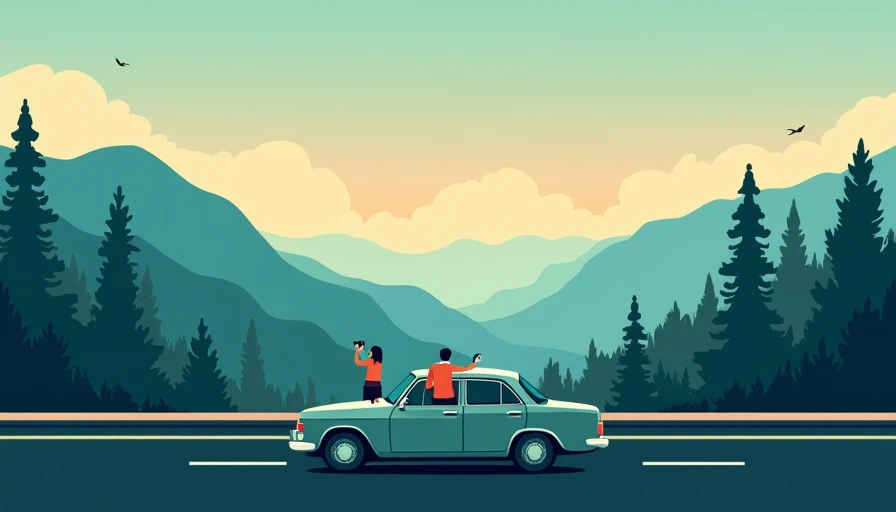
Sometimes you need more than a quick break. A road trip with stops that includes a full hour (or two) at one place can reset your entire day. Look for state parks with picnic tables, or small museums that catch your eye. I once stopped at a roadside diner in Torrey, Utah, and ended up staying for an extra hour talking to the owner about local hikes. That stop became the highlight of the trip.
Long stops are perfect for a meal, a short hike, or just sitting and reading. They break the driving rhythm and let you feel like you’re actually traveling, not just commuting. If you have the time, plan one long stop per day. Your body and mind will thank you.
Final Thoughts: The Joy of the Journey
A road trip with stops isn’t about arriving faster—it’s about experiencing the in-between. The best drives I remember aren’t the ones where I made great time. They’re the ones where I pulled over for a slice of pie, walked along a river, or watched the light change over a canyon. Some roads are worth slowing down for. The stops are what make them worth the drive.
So next time you plan a trip, put as much thought into where you’ll stop as where you’ll sleep. You’ll come home with stories, not just mileage. And that’s the whole point.



Letters
No letters yet — be the first to write.