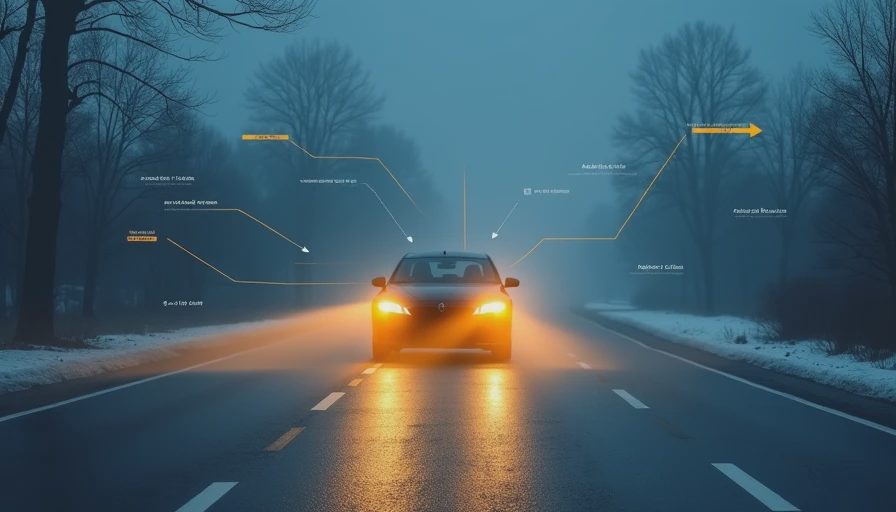
If you've ever driven through a thick Colorado morning fog, you know how quickly visibility can disappear. That’s when a properly aimed **fog light** becomes your best friend on the road. Fog lights are designed to cut through low-lying mist, rain, or snow by casting a wide, low beam that reduces glare and illuminates the road surface directly ahead. Many drivers don’t realize when or how to use them effectively, which can make a bad situation worse. In this guide, I’ll cover everything you need to know about fog lights—from what they do to common mistakes and maintenance tips.
What Exactly Is a Fog Light?
A **fog light** is a specialized automotive light mounted low on the front of the vehicle, typically below the headlights. Unlike high beams, which aim upward and reflect off fog particles (creating a blinding wall of white), fog lights aim downward toward the road. This low-angle beam cuts through the fog, illuminating the pavement and lane markings without overwhelming your eyes. Most modern cars come with factory-installed fog lights, but many drivers never use them—or use them incorrectly. The amber or selective-yellow color often seen on older fog lights helps reduce blue-light scatter, though today’s halogen and LED versions are effective in white as well.
When to Use Fog Lights (And When Not To)
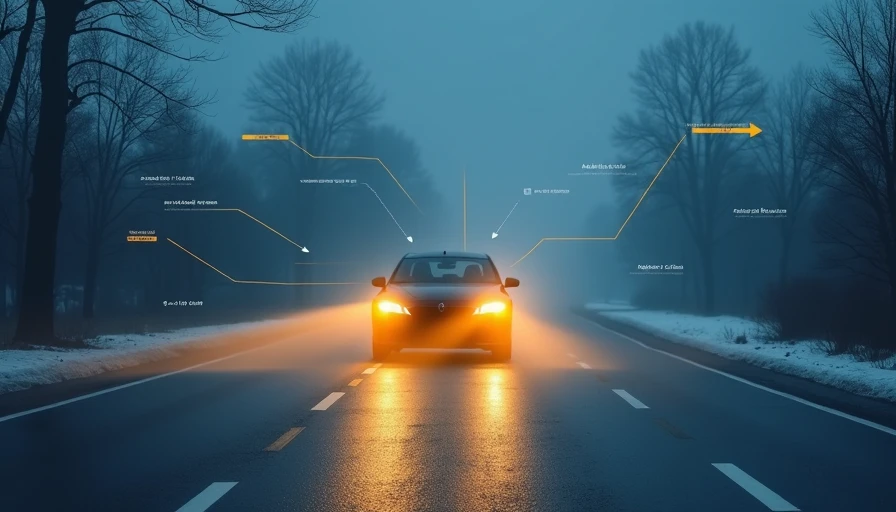
The golden rule: use your **fog light** only when visibility is severely reduced—typically under 100 meters (about 300 feet). That includes heavy fog, dense snow, or torrential rain. In many states, it’s actually illegal to run fog lights in clear weather because they can blind oncoming traffic and create unnecessary glare. So when should you turn them on? Here’s a quick checklist:
- **Fog:** Any time you can’t see the taillights of the car ahead clearly.
- **Heavy Rain:** When rain is so intense that headlights seem to bounce back.
- **Snowfall:** Especially during a blizzard or whiteout conditions.
- **Dust or Smoke:** On rural roads or construction zones.
And when should you turn them off? As soon as conditions improve. Using fog lights on a clear night actually reduces your visibility because the low beam pattern limits your view of the road shoulders and signs. Also, never use your high beams with fog lights—the high beams will reflect back into your eyes.
How Fog Lights Improve Night Driving
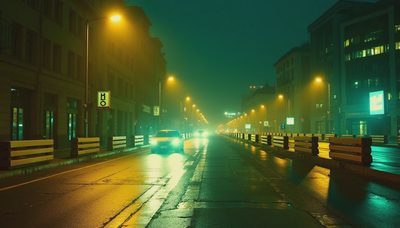
A **fog light** doesn’t make you see farther; it makes you see more clearly in a narrow band right in front of the car. This is especially valuable on winding mountain roads where the edge of the pavement disappears into the dark. On a recent drive from Denver to Moab, I hit a patch of dense fog near the Colorado-Utah border. Without my fog lights, the road ahead was a blur of white. With them on, I could trace the shoulder line and spot deer before they bounded across. That kind of confidence is hard to overstate.
Fog lights also help other drivers see you. In low-visibility conditions, the wide beam creates a distinctive light signature that makes your car more noticeable from the side. This is why many newer cars include fog lights as standard safety equipment—they’re not just for show.
Common Fog Light Mistakes
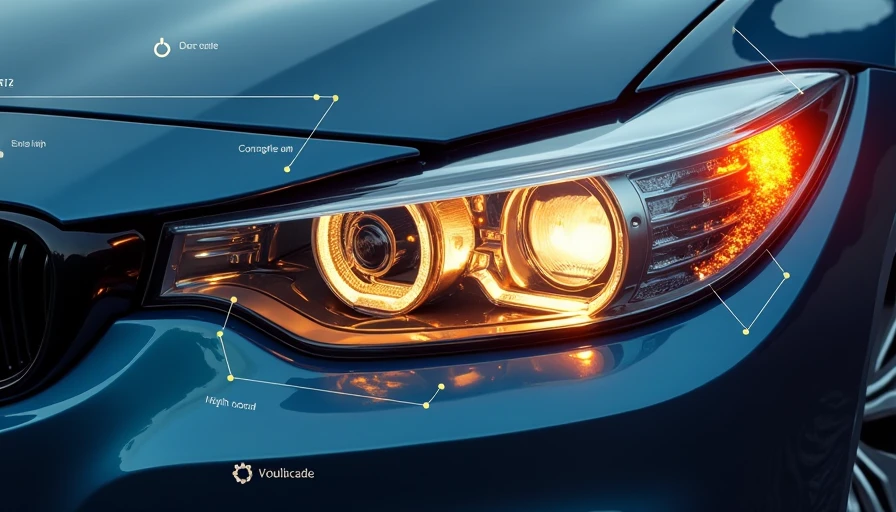
Even experienced drivers misuse their **fog light** system. Here are the top errors I see:
- **Using fog lights as daytime running lights.** They’re not designed for that. You’ll burn out the bulbs faster and annoy other drivers.
- **Forgetting to turn them off.** If you leave them on after the fog clears, you risk dazzling oncoming traffic. Make a habit of checking your dashboard indicator.
- **Installing aftermarket lights improperly.** Many drivers install bright LED fog lights that aren’t aimed correctly. A misaligned fog light can throw light upward, defeating its purpose. If you upgrade, have the beam pattern checked.
- **Using high beams with fog lights.** As mentioned, this creates a wall of glare. Stick to low beams + fog lights only.
Tips for Maintaining Your Fog Lights
A broken or fogged-up **fog light** is useless. Here’s how to keep yours in shape:
- **Clean the lenses regularly.** Road grime and salt can cloud the lens, reducing output by half. Use a mild cleaner and a soft cloth.
- **Check the aim once a year.** Point your car at a wall in the dark and see if the cutoff line is even. Most factory fog lights have a sharp horizontal cutoff; if it’s pointing up, adjust the screws.
- **Replace bulbs in pairs.** If one burns out, the other is likely close. Pair replacement ensures even brightness.
- **Consider upgrading bulbs.** LED fog lights from reputable brands like Diode Dynamics or Morimoto offer longer life and better light. But remember: aim matters more than brightness.
Final Thoughts
A **fog light** is one of those features you don’t appreciate until you really need it. The next time you’re driving through a white-out on I-70 or a rainstorm on the Blue Ridge Parkway, flick that switch and feel the difference. It’s a small tool that can turn a stressful drive into a manageable one. Some roads are worth slowing down for—and having the right lights makes sure you get there safely.
Letters
No letters yet — be the first to write.