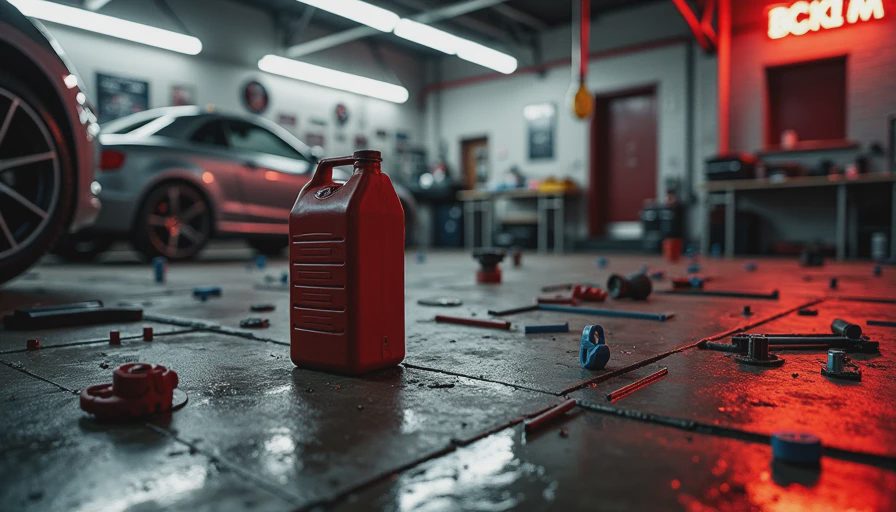
If you're like me, your car is more than just transportation—it's your road trip companion, your weekend escape vehicle. That's why keeping your **car in garage** when you're not driving it makes a real difference. Whether you're in Denver dealing with hail season or just want to preserve that new-car feel, a garage protects your investment. I've seen too many cars left to the elements, and the wear adds up fast. A **car in garage** stays cleaner, runs cooler, and holds its value longer. Let's get into why this simple habit pays off.
Why a Car in Garage Stays in Better Shape
Parking your **car in garage** does more than keep it dry. It shields the paint from UV rays that fade clear coats over time, especially at high altitudes where the sun is harsh. It also prevents hailstorms—a real concern here in Colorado—from leaving dents that cost hundreds to repair. Temperature stability is another quiet benefit. A garage buffers extreme heat and cold, which means your battery lasts longer, your tires don't dry out as fast, and your interior doesn't bake into cracked vinyl. For a road trip car that sits idle between weekends, a **car in garage** keeps everything ready to roll without surprises.
Thieves also love easy targets. A locked garage adds a layer of security that a driveway can't match. Even a basic garage door deterrent can make a cruiser think twice. And if you live where winter roads are salted, pulling a **car in garage** overnight keeps salt from sitting on the undercarriage, reducing rust. That alone can add years to a vehicle's life.
Preparing Your Car for Garage Storage
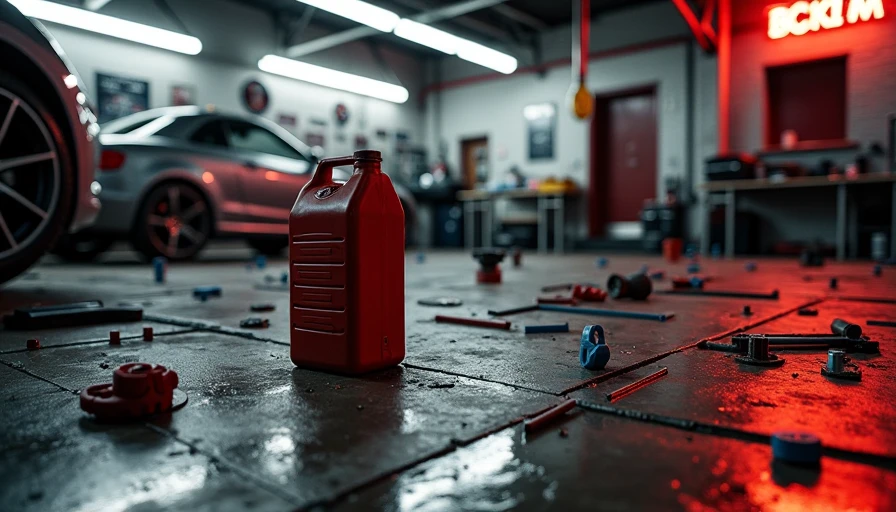
If you're going to keep a **car in garage** for longer stretches—say, a month or more between road trips—there are a few steps worth taking. Start with a full tank of gas to prevent moisture from condensing in the fuel system. Add a fuel stabilizer if it'll sit longer than three months. Check your tire pressure and inflate to the recommended level; even in a garage, tires can lose air over time. I like to put a battery tender on the trickle charger so I'm not coming back to a dead battery when the next drive calls.
Clean the interior and exterior before parking. A crumb left in the cabin attracts mice, and bird droppings on the paint etch if not removed. Vacuuming and a quick wash make sure nothing fester while the **car in garage** waits for the next adventure. Also, crack the windows just a hair to let air circulate—four season clim ate differences can cause musty smells otherwise.
Don't forget to set the parking brake lightly or leave it off if you're parking on a level garage floor. A stuck brake is a common issue after long storage. I use wheel chocks instead. For the engine, change the oil just before storage; old oil contains acids that can eat at seals. A fresh change gives your **car in garage** a clean start when you fire it up again.
Common Mistakes When You Keep a Car in Garage
It sounds easy, but there are pitfalls. One big one: ignoring the garage itself. If your garage has a leaky roof or poor insulation, it might as well be outside. Moisture from a damp garage can cause rust just as fast as rain. Make sure the space is dry and well sealed. A dehumidifier in humid climates can be a game-changer for a stored **car in garage**.
Another mistake is starting the engine every few weeks just to "keep it running." That's actually worse than leaving it off. Cold starts without bringing the engine up to full operating temperature cause moisture to accumulate in the oil and exhaust. If you're going to drive it, drive it long enough to burn off condensation. Otherwise, leave it be. A **car in garage** that sits untouched for a month will start better than one that's started and shut off cold every weekend.

People also forget to check on their **car in garage** regularly. Even if it's not driven, crawl around the car every couple of weeks. Look for droppings that signal rodents, check tires for soft spots, and make sure the battery tender is working. A quick visual once a month saves disappointment later. And if you're storing a convertible, never leave the top down—even in a garage, dirt and critters find a way in.
Real-World Payoff: A Car That's Ready to Drive
I've had friends who park their daily drivers outside and wonder why the dash cracks or why they have to buy new tires every three years. Meanwhile, my **car in garage**—a 2018 Subaru Outback—still feels solid at 70,000 miles. The interior looks barely worn, and I've never had a battery die in the middle of a trip. That's the kind of dependability you want when you're heading out on a stretch of Utah backcountry. A **car in garage** doesn't just protect against weather; it protects your schedule. When you want to drive, the car is ready.
If you're someone who values the drive as much as the destination, give your car a place to call home. A garage might feel like a luxury, but for the road trip driver, it's a practical tool that pays for itself over time. Less maintenance, fewer repairs, more miles on the road. That's worth the extra effort.
So next time you pull in after a trip, take a moment to appreciate that **car in garage**—and know you're doing your future drives a favor.




Letters
No letters yet — be the first to write.