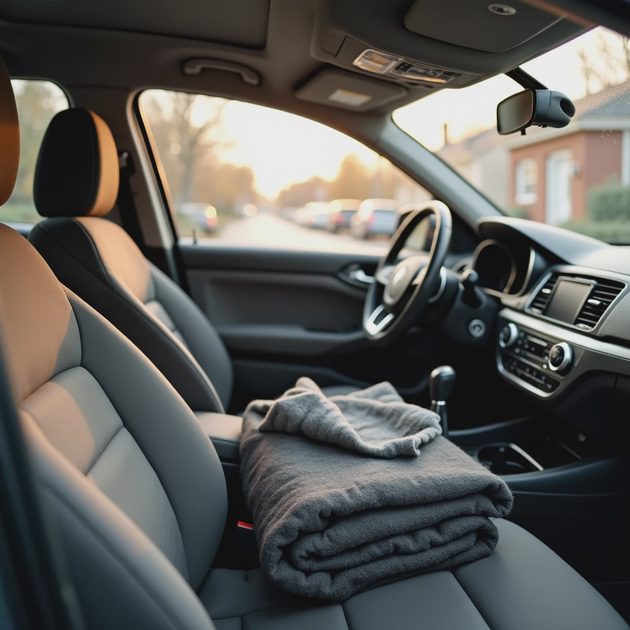
A car is not naturally calm. It is a machine designed for motion, filled with hard surfaces and road noise and the constant small vibrations of pavement passing beneath the tires. The default state of a vehicle is not serenity. It is controlled chaos, managed well enough that we stop noticing it.
But a car can become calm. Not silent — that requires a different class of vehicle and a different budget — but calm in the way a quiet room is calm. A place where your shoulders drop slightly when you close the door. A space that feels less like transportation and more like a small sanctuary on wheels.
I didn't set out to create a calm car. It happened gradually, through small adjustments made one at a time, usually after a drive that felt more draining than it should have. Here is what I learned along the way.
Start with what you remove, not what you add
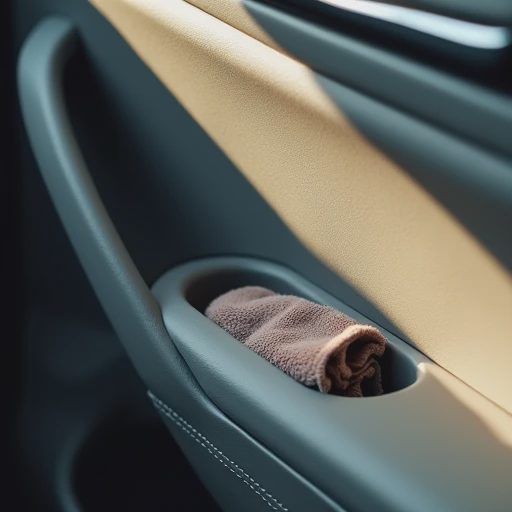
The first instinct when trying to improve a space is to add things. A new accessory. A better organizer. Something that promises to fix the problem. But calm is rarely achieved through addition. It comes from subtraction.
I started by removing everything from the cabin that didn't need to be there. Old receipts in the door pockets. A stack of napkins that had multiplied in the glovebox. The spare phone charger that had been tangled around the gear shift for months. The air freshener that had stopped smelling like anything three weeks ago but was still hanging from the rearview mirror. Each item was small, but together they created a low-grade visual noise that I had stopped noticing. Removing them felt like clearing a countertop you didn't realize was cluttered.
Now I do a cabin sweep before every long drive. I walk around the car, open every door, and remove anything that doesn't serve the trip ahead. The goal is not minimalism as an aesthetic. It is emptiness as a feeling. An empty door pocket is calm in a way that a full one never is.
If you only remember one thing
You cannot organize your way to calm. You have to remove your way there. Start by taking things out, not putting things in.
Control the light inside the cabin
Light is mood, even in a car. Harsh overhead lights, bright dashboard displays, and unfiltered sun through the windows all contribute to a sense of agitation that you feel without consciously identifying.
I dim the dashboard lights slightly below the default setting. Most cars allow this — a small dial near the steering wheel or a setting buried in the infotainment menu. The default brightness is designed for showrooms, where bright gauges look modern and appealing. On a long drive, especially at night or in low light, a gentler glow is easier on the eyes and quieter in the mind.
I also keep a pair of polarized sunglasses in the center console, not just for direct sun but for the diffuse glare that builds on hazy afternoons. The polarization cuts the reflected light off the hood and the road surface, which makes the entire visual field feel less aggressive.
For night driving, I dim the infotainment screen as low as it will go. Some cars have a screen-off button, and I use it whenever I don't need navigation. A dark dashboard at night transforms the cabin into something closer to a cockpit designed for focus rather than a living room designed for entertainment. The road outside becomes brighter by comparison, and the whole experience feels more centered.
Manage the sounds you can control
You cannot eliminate road noise without spending a lot of money. What you can do is control the sounds inside the cabin that are within your reach.
I keep loose items to a minimum because they rattle. A water bottle rolling in the passenger footwell. A pair of sunglasses sliding across the dashboard. These sounds are small, but they interrupt the rhythm of the drive. A quiet cabin is not just about decibel levels. It is about the absence of unpredictable noise.
I also think carefully about what I listen to. A podcast that demands close attention adds cognitive load. Music with aggressive dynamics or sudden volume shifts keeps the nervous system slightly on edge. For long highway stretches, I choose music with steady rhythms and minimal surprises. Or I turn everything off and let the road noise become a kind of white noise — constant, predictable, almost meditative.
The part nobody tells you about cabin sound is that silence is not the goal. Consistency is. A steady hum is restful. An unpredictable rattle is not. Aim for a soundscape that doesn't demand your attention, and the miles will feel easier.
Let the passenger seat stay empty
I have written about this before, but it belongs here too because it is one of the simplest and most effective changes I have made. Nothing lives on the passenger seat. Not a bag, not a jacket, not a stack of mail I meant to bring inside. When I park, the seat gets cleared. When I drive, the seat stays open.
An empty passenger seat changes the visual balance of the cabin. It creates negative space — a concept that interior designers understand well and car owners rarely think about. Negative space lets the eye rest. It signals that the space is under control. It makes the cabin feel larger and more intentional.
On a solo drive, the empty seat also serves as a quiet companion. It doesn't ask for music changes or temperature adjustments. It just sits there, holding space, reminding you that solitude has its own kind of fullness.
What I'd do differently next time
I would have started this habit years earlier. The passenger seat rule costs nothing and takes ten seconds, and it changes the emotional temperature of the entire cabin.
Bring one thing that makes the car feel like yours
Calm is not the same as sterile. A car that has been stripped of everything personal can feel cold and anonymous, which is not restful in the way that matters. The goal is not an empty car. It is a car that feels intentionally yours.
For me, that thing is the wool blanket I keep in the back seat. It is gray and charcoal and has been with me for years. It smells faintly of cedar from the closet where it used to live. It is not camping gear. It is not performance fabric. It is just a good blanket, and its presence in the car makes the space feel more like a room and less like a vehicle.
For someone else, the thing might be a small photograph tucked into the sun visor. Or a particular air freshener that doesn't smell artificial. Or a notebook and pen in the center console, ready for thoughts that only arrive on long drives. The object doesn't matter. What matters is that it is personal without being clutter. One thing that says this space is mine. One thing that makes the calm feel like a choice rather than an absence.
The feeling of closing the door
There is a test I use now to measure whether the cabin is working. I call it the door-close test. After I have cleaned up, cleared the passenger seat, dimmed the screens, and settled into the driver's seat, I close the door and sit for a moment without starting the engine. If the space feels good — quiet, orderly, mine — then I have done it right. If something feels off, I look around and find the source.
Most people never sit in their parked car without immediately starting it and driving away. But those few seconds between closing the door and turning the key are the moment when the cabin speaks. It tells you whether it is a calm space or just a car. Listen to it. Adjust accordingly. The road will still be there when you are ready.


Letters
No letters yet — be the first to write.