How to Make Every Trip on the Road Feel Worthwhile
Every trip on the road starts the same way: with a key in the ignition and a route in your head. But what separates a good trip from a forgettable one often happens before you leave the driveway. I've taken enough drives across Colorado, Utah, and New Mexico to know that preparation, mindset, and a few small adjustments make all the difference. Here's how to get the most out of your next drive.
Why the First Hour of Your Trip on the Road Matters
The first hour of any trip on the road sets the tone for everything that follows. If you start rushed, stressed, or half-packed, that feeling lingers. I always force myself to spend twenty minutes the night before: check tire pressure, fill the tank, set up the playlist, and pack a cooler. That simple ritual turns a chaotic start into a calm one. When you roll out of the driveway with everything in place, the miles feel easier. The road opens up, and you're already in the right headspace.
Route Planning That Actually Works
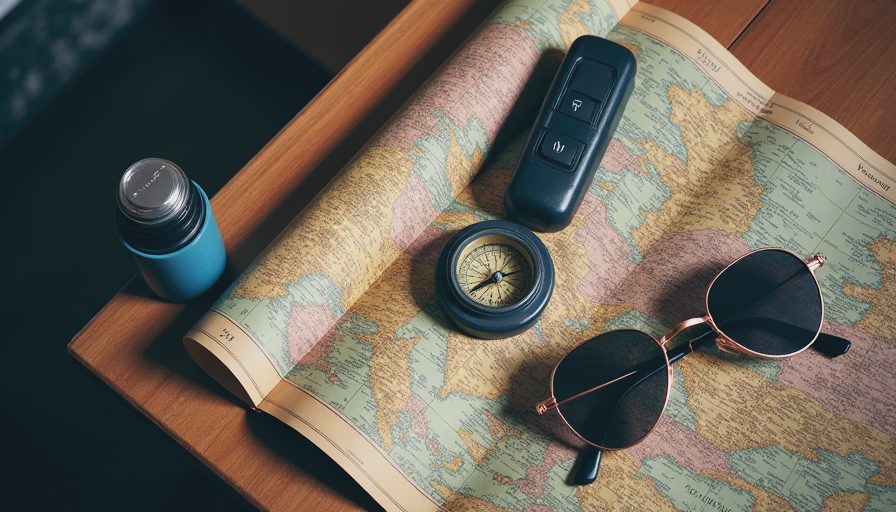
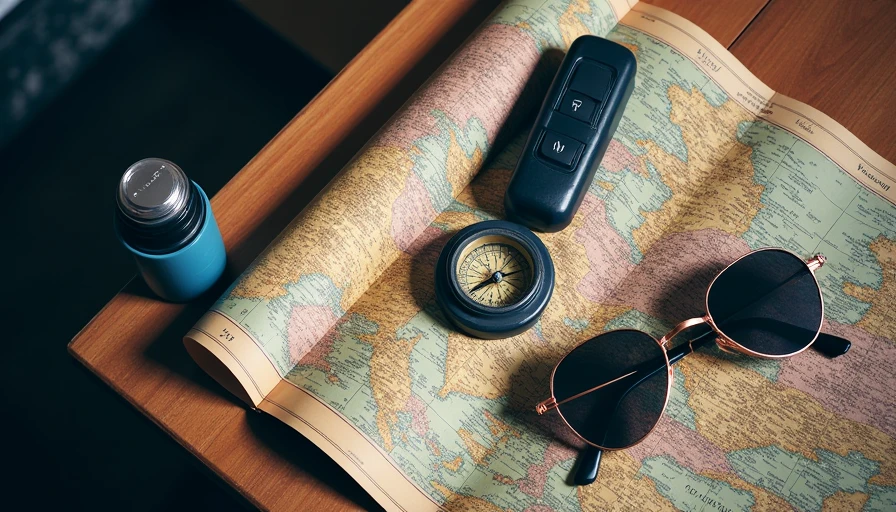
A well-planned trip on the road doesn't mean locking in every turn. I like to pick a general route, then mark a few flexible stops—a diner with good reviews, a scenic overlook, a small town worth wandering. Gas stations are obvious, but I also note places where coffee is reliably decent. Apps like Roadtrippers help, but I still carry a paper map for the times when service drops (and it will). Planning gives you freedom, not constraint. The best trips on the road feel spontaneous because you've already done the boring work.
Car Comfort: Small Changes, Big Difference
By hour three, seat comfort becomes everything. I've driven everything from a worn-out sedan to a friend's truck, and the difference a lumbar support pillow makes is shocking. Also: set the climate control before you get hot or cold. Cracking the windows at 60 mph creates a drone that wears you down. If your car's cabin is noisy, earplugs or a good podcast can save your sanity. And never underestimate a clean windshield—staring through bug splatter for two hours is a subtle drain. These details define a good trip on the road.

Packing for the Road Without Overpacking
I used to bring everything but the kitchen sink. Now I pack a small duffel, a cooler with snacks and drinks, a charging kit, and a bag for trash. That's it. Overpacking turns the back seat into a cluttered mess and makes every stop feel like a Tetris game. Keep it lean, and your car stays a comfortable space. On a long trip on the road, less gear means more room to stretch and breathe. Plus, you won't spend twenty minutes digging for a phone charger.
What to Do When the Trip Gets Long
Every road trip has a low point—the hour when the scenery blurs and your back starts to ache. That's when I pull over for ten minutes, walk around the car, stretch my legs, and drink some water. I also switch up audio: music to podcasts to silence. Silence is underrated. It lets the landscape do the talking. And if fatigue sets in, find a safe place to nap for fifteen minutes. No destination is worth driving drowsy. A short break resets your focus and makes the rest of the trip feel fresh.
A Pre-Departure Checklist for a Smoother Trip on the Road
Before you pull out of the driveway, run through these seven items. It takes ten minutes and saves hours of hassle.
First, check your oil, coolant, and windshield washer fluid. Low levels of any of these can turn a short trip into a roadside emergency. I learned this the hard way when my coolant ran low crossing a desert stretch in New Mexico—the engine overheated, and I lost two hours waiting for a tow.
Second, confirm your spare tire is properly inflated and that you have a jack and lug wrench. A blowout on a remote highway is stressful enough; discovering your spare is flat makes it worse. Check it monthly.
Third, set your GPS and download offline maps for the entire route. Cell service disappears in mountains and deserts. I rely on Google Maps offline or an app like Maps.me for backup.
Fourth, pack a physical map as a final backup. Phones and tablets die; paper maps never run out of battery.
Fifth, fill your gas tank the night before. Morning gas station lines eat into driving time, and stations in rural areas can be few and far between.
Sixth, prepare a cooler with water, easy snacks, and a few meals. Fast food adds cost and slows you down. I pack sandwiches, fruit, and a refillable water bottle. Your trip on the road will feel more relaxed when you're not hunting for a diner every few hours.
Finally, clean your car's interior and windshield. A clutter-free car with clear glass reduces eye strain and makes the drive safer. Take five minutes to wipe down the dash and clean the glass inside and out.
Running through this checklist before every trip on the road turns a good drive into a great one. You'll spend less time on the roadside fixing problems and more time enjoying the miles ahead.
The Best Part of Any Trip on the Road
For me, the best moment comes somewhere in the middle—when the radio fades, the road stretches ahead, and you forget about the miles left. That's the part that keeps me coming back. Whether you're heading to the mountains or the coast, remember that the trip itself is the point. Some roads are worth slowing down for. Next time you plan a trip on the road, take that slow. Let the journey earn its miles.


Letters
No letters yet — be the first to write.