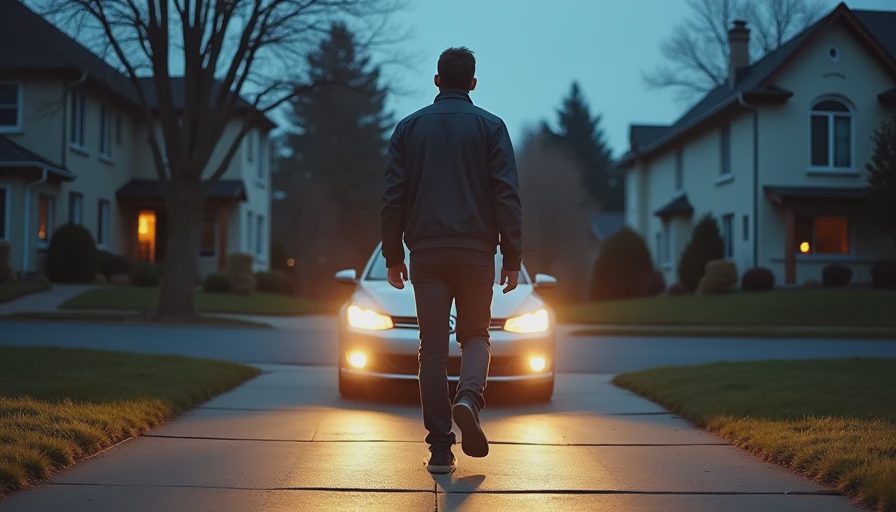
If you've ever driven through a thick Colorado fog on a mountain pass, you know how disorienting it can be. That's where foglights on a car come in. They're not just another accessory—they're a tool that can genuinely improve your visibility when conditions turn sour. Over the years, I've relied on them during early-morning drives across the plains and late-night runs through the Front Range, and they've made a real difference.
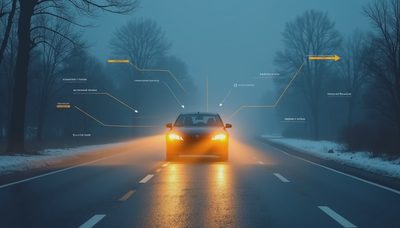
Most cars sold in the U.S. come with foglights either standard or as an optional add-on. But many drivers never touch the switch. Some think they're just for style. Others don't know when to turn them on. The truth is, foglights are designed to cut through low-lying fog, heavy rain, or snowfall by projecting a wide, low beam that reduces glare. Unlike your high beams, which reflect off moisture and make things worse, foglights aim low and to the sides, illuminating the road directly ahead and the edges.
I remember one night on I-70 near Vail when a sudden fog bank rolled in. Visibility dropped to maybe a hundred feet. The car ahead vanished. I hit the foglight switch—an aftermarket set of Hella driving lights I'd installed the month before—and the road opened up just enough to see the painted lines and the shoulder. That moment alone justified the cost. Foglights aren't about seeing far; they're about seeing what's immediately around you.
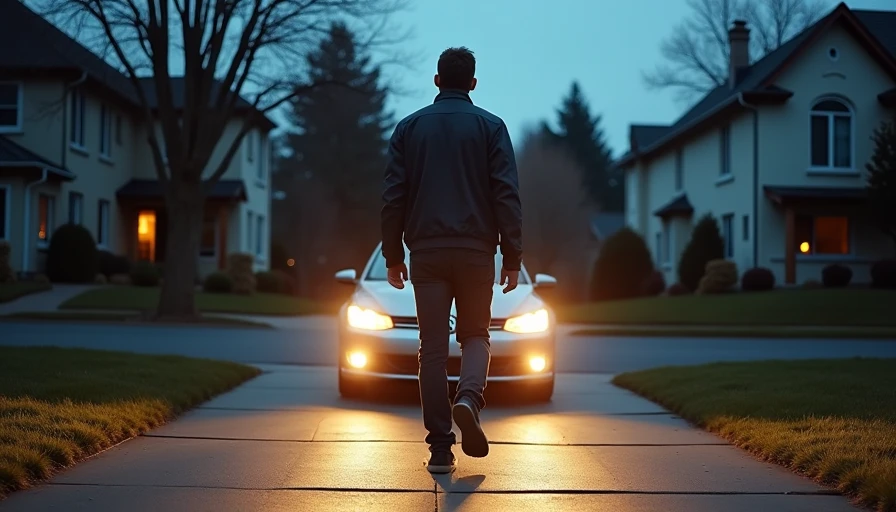
So when should you actually use them? Foglights are best in conditions where visibility falls below 500 feet—dense fog, heavy rain, or snow. They're also useful on winding roads at night, where the low beam helps you see around curves. But don't use them in clear weather; they can blind other drivers and are illegal in many states. I always check local laws before mounting them. Most states allow them, but some restrict color or placement.
What Are Foglights on a Car, Really?
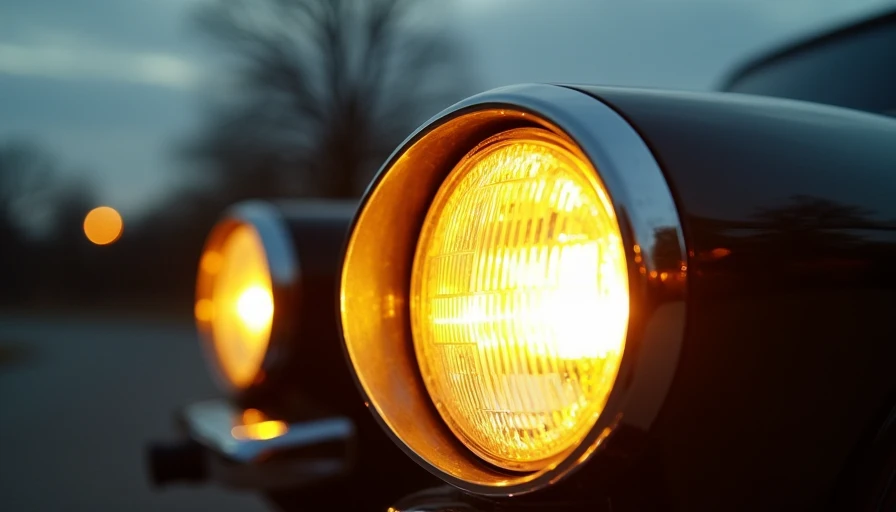
Foglights are specialized lamps mounted low on the front bumper. Their purpose is simple: to throw a wide, flat beam that illuminates the road surface without reflecting off moisture particles. In technical terms, they produce a cutoff that prevents upward light scatter. That's why they work when high beams don't. My first set came from a salvage yard—a pair of OEM foglights off a 2003 Subaru Outback. They weren't perfect, but they cost me twenty dollars and worked well enough for a season of Utah winter driving.
How to Choose the Right Foglights for Your Car
If you're in the market for foglights on a car, you'll find options ranging from simple plug-and-play LEDs to projector-style units. LEDs last longer and use less power, but halogen still throws a warmer light that cuts fog better in some conditions. I've used both, and I prefer LED for reliability, but I know drivers who swear by halogen for color temperature. Check your car's compatibility—some vehicles have dedicated foglight mounts and wiring, others require a relay and switch. Brands like Hella, PIAA, and Rigid offer solid choices, but don't overlook quality OEM parts from a junkyard.
Installing foglights yourself is doable if you're comfortable with basic wiring. Most aftermarket kits come with instructions, and there are plenty of videos online. But if you're not confident, a shop can do it for under $200. I've done both, and I'd say it's worth paying a pro if you want it done cleanly.
Mistakes to Avoid with Foglights
A common mistake is using high beams in fog instead of foglights. High beams reflect off the fog and create a white wall. Another is aiming the foglights too high—they should point down at the road. I've seen cars where the foglights are aimed at oncoming traffic, which is annoying and dangerous. Also, don't drive with foglights on in clear conditions. It's not just rude; it can wash out your own vision.
FAQ: Common Questions About Foglights
**Are foglights on a car legal in all states?**
Most states allow foglights, but there are restrictions on color (usually only white or yellow) and placement. Some states limit the number of lights. Always check your local DMV.
**Can I install foglights on any car?**
Most cars can be retrofitted, but if your car doesn't have a dedicated slot, you may need a bracket and wiring. Some models have factory wiring pre-installed.
**What's the best color for foglights?**
Yellow or amber cuts through fog better than white for many drivers. But modern LED white foglights with a proper cutoff work well too. I use yellow for heavy fog and white for rain.
**Do foglights drain the battery?**
Not significantly. They use less power than low beams. Just turn them off when not needed.
Do You Actually Need Foglights?
If you live in an area with frequent fog, heavy rain, or snow, yes. But if you're in the desert Southwest, you can probably skip them. For those of us in the Rockies, they're almost essential. I've driven enough mountain passes to know that a good set of foglights can be the difference between pulling over and pushing through. They don't replace caution, but they add a layer of safety.
So next time you're driving through a patch of fog, reach for that switch. If you don't have foglights on your car, consider adding them. It's a relatively small investment for better visibility, and it might just get you home a little more comfortably.
That's about it. Some roads are worth slowing down for—and foglights help you see why.


Letters
No letters yet — be the first to write.