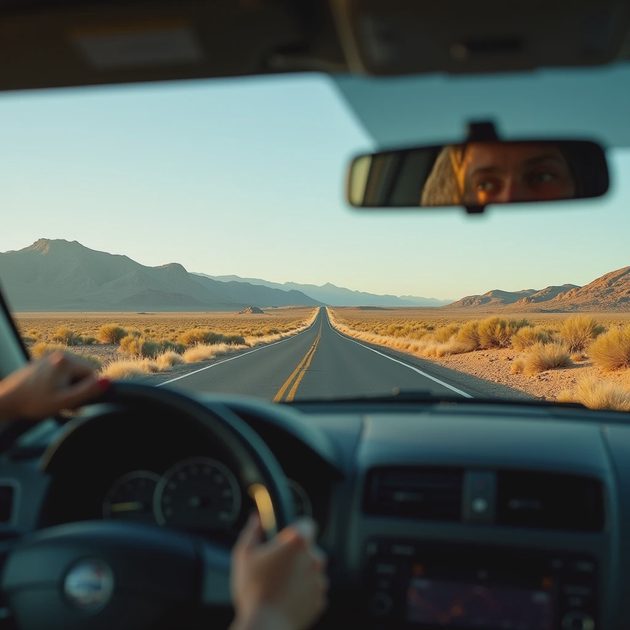
Here is a small confession: for years, I packed a car like I was preparing to be mildly stranded. Not full survival mode — just enough “just in case” items to fill the trunk, the back seat, and parts of the passenger footwell. The logic was always the same. What if it rains? What if I need a second pair of boots? What if I get bored enough to read that book I haven't opened in two years?
The logic wasn't wrong, exactly. It was just heavy. And after a 1,000-mile loop from Denver down toward the New Mexico border and back, I started to think that the weight of all those just-in-cases was adding something to the trip I didn't want. Not just mass. A kind of mental static.
So I tried something different. I didn't make a packing list. I made a doubt pile.
The doubt pile
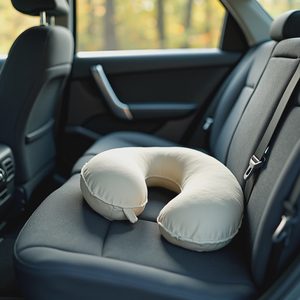
Before leaving, I gathered every item that made me pause. The things I picked up, considered, and set back down — then usually picked up again out of guilt or habit. A second jacket. Extra shoes. A stiff travel pillow that had been on six trips and used exactly zero times. I looked at the pile and asked myself a quiet question: Do I actually need this, or am I just used to carrying it?
Most of it stayed in the hallway closet. I closed the door and felt something shift before I even started the engine.
What the first three hours taught me
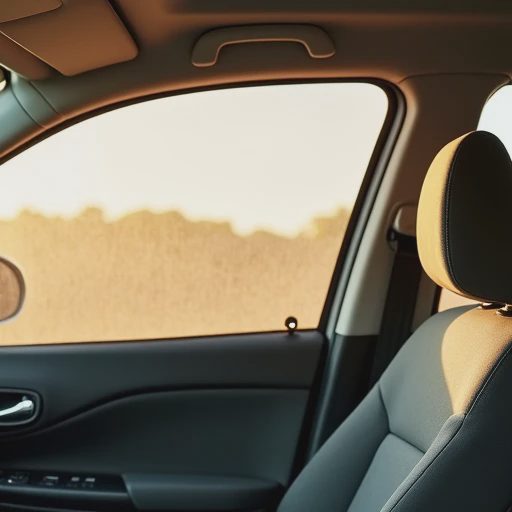
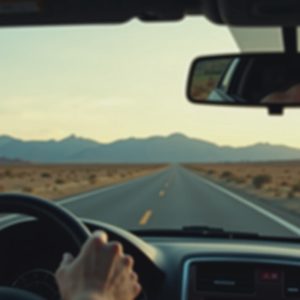
Driving south on I-25, the car felt different. Not dramatically so — but there was a noticeable absence of small noises. Nothing shifting in the back. No bag slouching into the passenger seat. I had left that seat empty, which turned out to be a small revelation. Without a bag occupying it, I could glance right and see the full sweep of the plains without obstruction. That open space made the cabin feel calmer, more deliberate.
Around hour three, I noticed I had barely touched anything except a water bottle and my sunglasses. The snacks were untouched. The spare charger stayed in the glovebox. The book, which I had almost packed again, was sitting on my nightstand at home, and I did not miss it for a single mile.
That's when I made up a small rule. If 20 minutes passed without me reaching for something, I mentally moved it into a category called unnecessary. It wasn't about denying comfort. It was about noticing that most of the things I thought I needed were just riding along, taking up space and mental bandwidth.
One small diner, one small note
Somewhere past Pueblo, I stopped at a diner that had more trucks than cars in the lot — usually a good sign. Over a cup of coffee that cost less than it should have, I wrote something on the back of a receipt. It was the kind of thought that only surfaces after a few hours of quiet driving: Next time, take one fewer thing than you think you need.
That note stayed on the passenger seat for the rest of the trip. Not because I needed to read it constantly, but because it felt like the right companion for an empty seat.
What I'd do differently next time
Not much. But I will say this: I still brought too many toiletries. A backup deodorant. A full bar of soap. As if the desert was going to demand full hygiene redundancy. The truth is, most towns have a drugstore. Most places have what you forgot. The habit I'm still breaking is packing for fear instead of packing for the trip I actually plan to take.
If you only remember one thing
The point isn't to pack light for the sake of packing light. It's to pack so that the stuff in the car doesn't compete with the drive itself. A road trip is already full — full of sky, full of small decisions, full of the quiet rhythm of highway miles. The fewer things you bring, the more room there is for all of that.
I pulled back into Denver with an empty trunk, a clear rearview mirror, and a single receipt on the passenger seat. The car felt like a better place to be. And that, more than any item I left behind, was the thing worth carrying forward.
Letters
No letters yet — be the first to write.