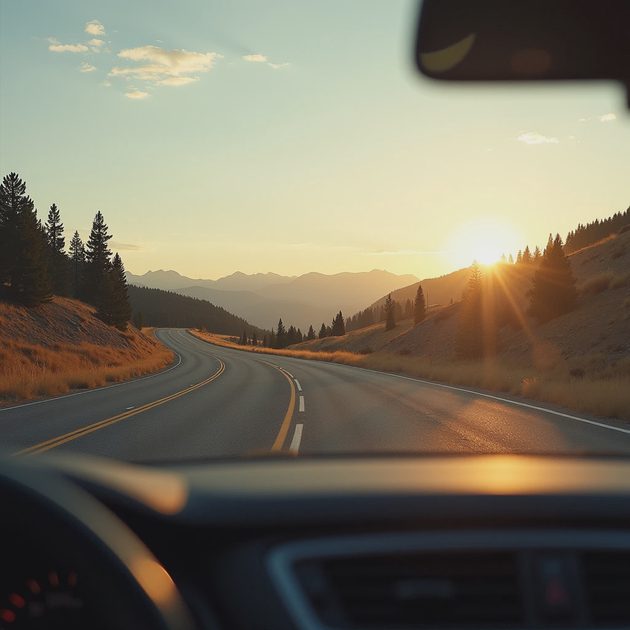
There is a particular kind of restlessness that sets in around Wednesday. Not the urgent kind — just a low hum that says the week has done its work and the weekend needs to be spent somewhere else. Somewhere with fewer traffic lights and more horizon.
I've lived in Denver long enough to know that the radius of a good Saturday drive is wider than most people use. Three hours gets you a surprising distance — far enough for the landscape to change its mind, but close enough that you can still be home by Sunday evening with a decent meal and a full night's sleep ahead of you.
These seven drives are ones I have taken more than once. Some are obvious. A few are not. All of them are worth the extra mile.
1. Peak to Peak Highway
The classic, for good reason. This 55-mile stretch from Black Hawk to Estes Park is one of the oldest scenic byways in Colorado, and it does not waste your time. You climb quickly into the kind of views that make out-of-state visitors pull over every half mile. Let them. You know the rhythm by now — the way the aspens flicker gold in late September, the way Longs Peak appears and disappears depending on the curve.
Stop in Nederland for coffee. Not because it's the best coffee, but because the town has a strange, unhurried energy that feels earned after the climb. From there, push north into Estes Park. You can loop back through Lyons or, if you have an extra hour, continue into Rocky Mountain National Park before turning home.
Best time: Late September to early October for aspens; June for quiet roads before summer crowds.
2. Guanella Pass
This is the drive I recommend when someone says they want a taste of Colorado's high country without committing to a full mountain day. The road connects Georgetown to Grant, climbing over 11,600 feet at the pass. The top feels like the edge of something — treeline falls away, the air thins, and the parking area gives you a view that cost nothing but the gas to get there.
On the Grant side, the road unwinds through dense pine forest. It is a different kind of quiet than the alpine summit — darker, softer, with the smell of pine needles coming through the vents if you roll the windows down.
Worth the extra mile: Take the short unpaved spur to Silver Dollar Lake trailhead. The lake itself is a hike, but even the trailhead view is a reward.
3. Pawnee Buttes
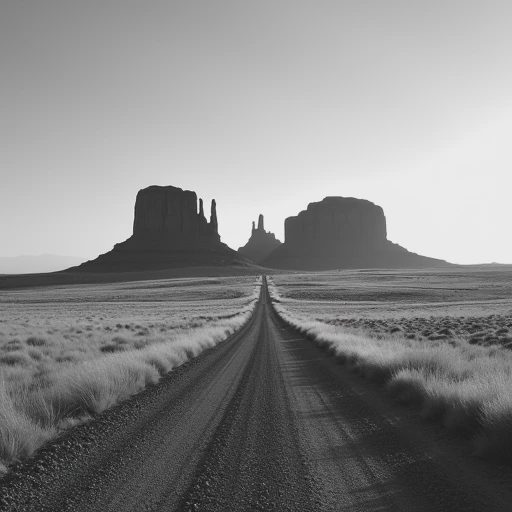
Northeast Colorado does not announce itself. The land flattens out, the trees disappear, and eventually you find yourself on a gravel road wondering if the map has lied to you. It hasn't. Keep going.
Pawnee Buttes rise out of the grassland like something that belongs in a different state — two sandstone formations standing alone on the plains, surrounded by silence and wind. The final stretch is gravel, and the last mile can be rough after rain, but the payoff is solitude of a kind that is harder to find near the Front Range.
Bring water. Bring a sandwich. There is nothing out here to buy, and that's precisely the point.
Best time: Spring, when the grasslands are briefly green. Late afternoon for the best light on the buttes.
4. Highway of Legends
South of Pueblo, past the point where I-25 starts to feel monotonous, the Highway of Legends loops through the Spanish Peaks country. The road winds past old coal towns, volcanic dikes that jut out of the earth like stone walls built by some earlier, more ambitious civilization, and the twin peaks themselves — often snowcapped well into spring.
La Veta is the natural turnaround point, with a small downtown that has just enough to reward a stop. The drive back along the same route feels different in reverse. The light shifts. The peaks reveal new angles. That's one of the quiet tests of a good road: whether it holds up from both directions.
Worth the extra mile: The dirt road detour to Cordova Pass in summer, if you have a vehicle that doesn't mind a little gravel.
5. Mount Evans Scenic Byway
You have probably heard about this one. It is the highest paved road in North America, and the drive ends at over 14,000 feet. The road is not long — only about 28 miles from Idaho Springs to the summit — but it climbs fast, and the temperature drops with it. Go in July and you might still see snowbanks at the top.
What surprises people is the wildlife. Mountain goats and bighorn sheep treat the parking lot like their own. Go early. The light is better, the traffic is thinner, and the summit feels closer to something wild before the midday crowds arrive.
If you only remember one thing: Bring a jacket even if Denver is 85 degrees. The summit is not Denver.
6. Poudre Canyon to Walden
Most weekend traffic pours west on I-70. This route goes north instead, following the Cache la Poudre River through a canyon that unfolds slowly. The river is the constant companion here — sometimes rushing, sometimes wide and glassy, always within sight of the road.
The canyon eventually opens into North Park, a high basin that feels like entering a different time zone. Walden is the kind of town where the gas station also sells fishing licenses and the diner remembers locals by name. It is not a destination in the traditional sense. That's what makes it good.
Best time: Summer for river access, early fall for gold cottonwoods along the water.
7. Highway 285 to Fairplay
This one is so straightforward it almost doesn't feel like a recommendation. But it deserves to be. Head southwest on 285 through South Park — yes, that South Park — and watch the high grassland stretch out in every direction. This is a big-sky drive, the kind where the weather writes itself across the horizon hours before it reaches you.
Fairplay is the turnaround. The town has a rebuilt 19th-century mining village that sounds touristy but actually isn't, and a bakery that does a decent breakfast burrito. From there, you can loop back over Hoosier Pass through Breckenridge or just return the way you came. Both options are good. That's the thing about this drive: it doesn't demand a plan.
Worth the extra mile:
The detour to Como, a tiny railroad town just a few miles off 285, with an old roundhouse and a sense that time moved on without it.
What the road gives back
None of these drives require much planning. A tank of gas, a morning departure, and a willingness to let the route do the work. That's the part nobody tells you about weekend driving: the planning matters less than the leaving. Get in the car. Point it toward something open. The details take care of themselves.
Letters
No letters yet — be the first to write.